Select
FOAC identifies dogs that can benefit from focused training, routine, and socialization.
Prisoners Uniting People & Puppies
FOAC’s PUPP Program gives selected rescue dogs 12 weeks of structured training, daily care, and meaningful connection with two dedicated handlers.
About the program
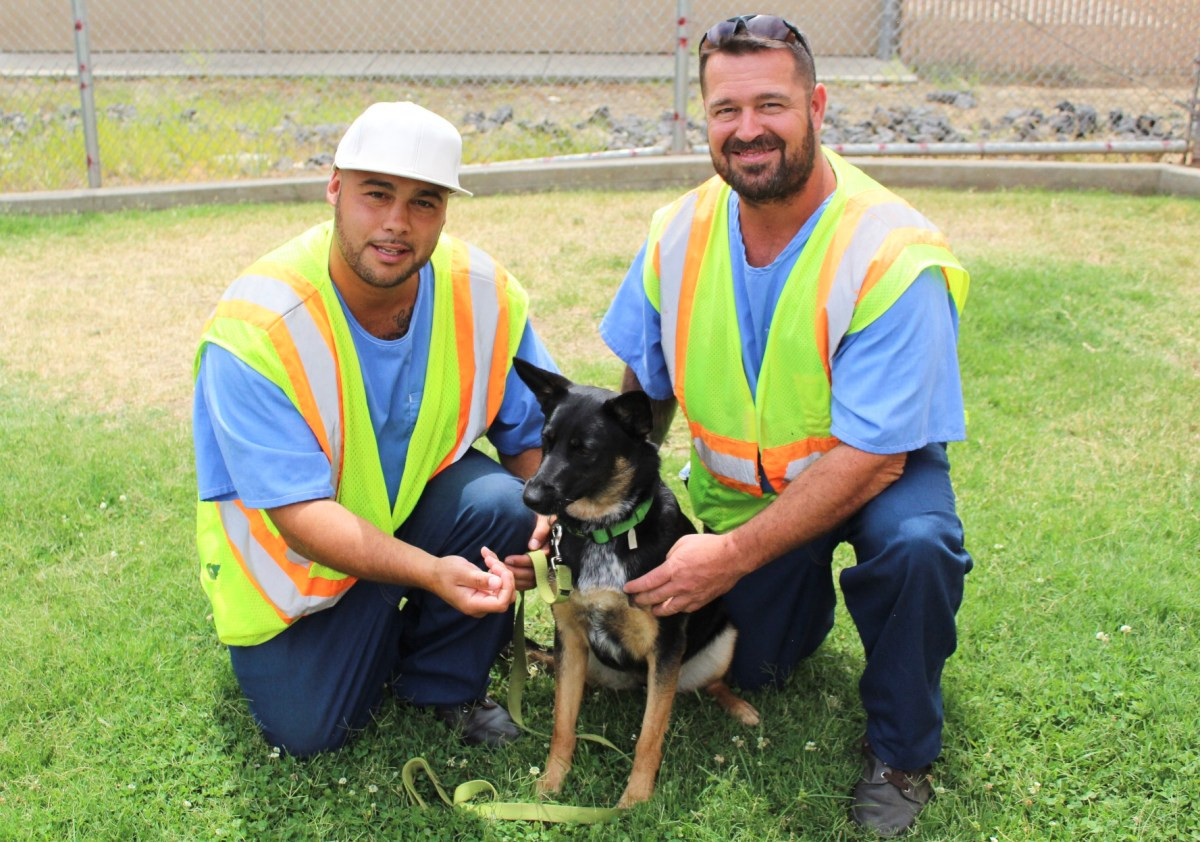
The PUPP Program pairs selected FOAC dogs with incarcerated handlers for a 12-week training cycle. Each dog lives at the institution and works with two handlers, while a professional dog trainer visits weekly to guide the teams.
The dogs practice basic commands, good manners, socialization, and confidence-building skills. Their handlers provide daily care, attention, and consistency while gaining experience in responsibility, patience, communication, and teamwork.
FOAC has heard from officers and staff that the dogs contribute to calmer yards and stronger camaraderie among participants. The goal is a well-prepared dog, a more informed adoption match, and a meaningful experience for everyone involved.
How it works
Training is designed to help each dog build practical skills while giving FOAC a clearer understanding of the home where that dog can thrive.
FOAC identifies dogs that can benefit from focused training, routine, and socialization.
Each dog is paired with two handlers who provide daily care and reinforce the training plan.
A professional trainer visits weekly as the teams practice obedience, manners, and confidence.
Dogs work toward Canine Good Citizen skills and return better prepared for a lasting adoption.
See the program
These FOAC videos show the relationships, routine, and hands-on work behind the PUPP Program.
Program story
Hear how the program builds trust, responsibility, and connection while preparing dogs for adoption.
Training in action
See the skills the dogs and handlers practice during the 12-week training cycle.
Canine Good Citizen training
The American Kennel Club’s Canine Good Citizen test evaluates good manners at home and in the community. During the PUPP cycle, handlers prepare dogs across all ten test areas.
Remain comfortable while a friendly stranger approaches and speaks with the handler.
Allow a friendly stranger to offer calm, appropriate touch without fear or resentment.
Remain cooperative while being brushed and while the ears and front feet are gently examined.
Follow the handler through turns and stops while remaining attentive and under control.
Move politely through pedestrian traffic without jumping, straining, or showing distress.
Respond to position cues and remain in place while the handler moves away and returns.
Respond reliably when the handler calls from a distance.
Pass another dog and handler with no more than casual interest.
Recover calmly from common sights and sounds without panic or aggression.
Remain with a trusted person for three minutes without excessive distress.
Inside the program
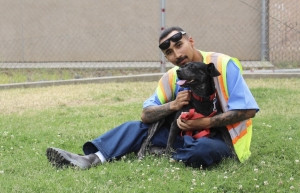
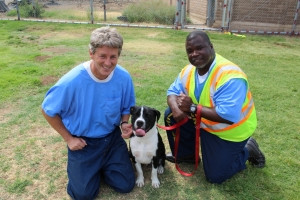
Daily care and hands-on practice give each team time to build trust, routines, and practical skills.
Ready to meet them?